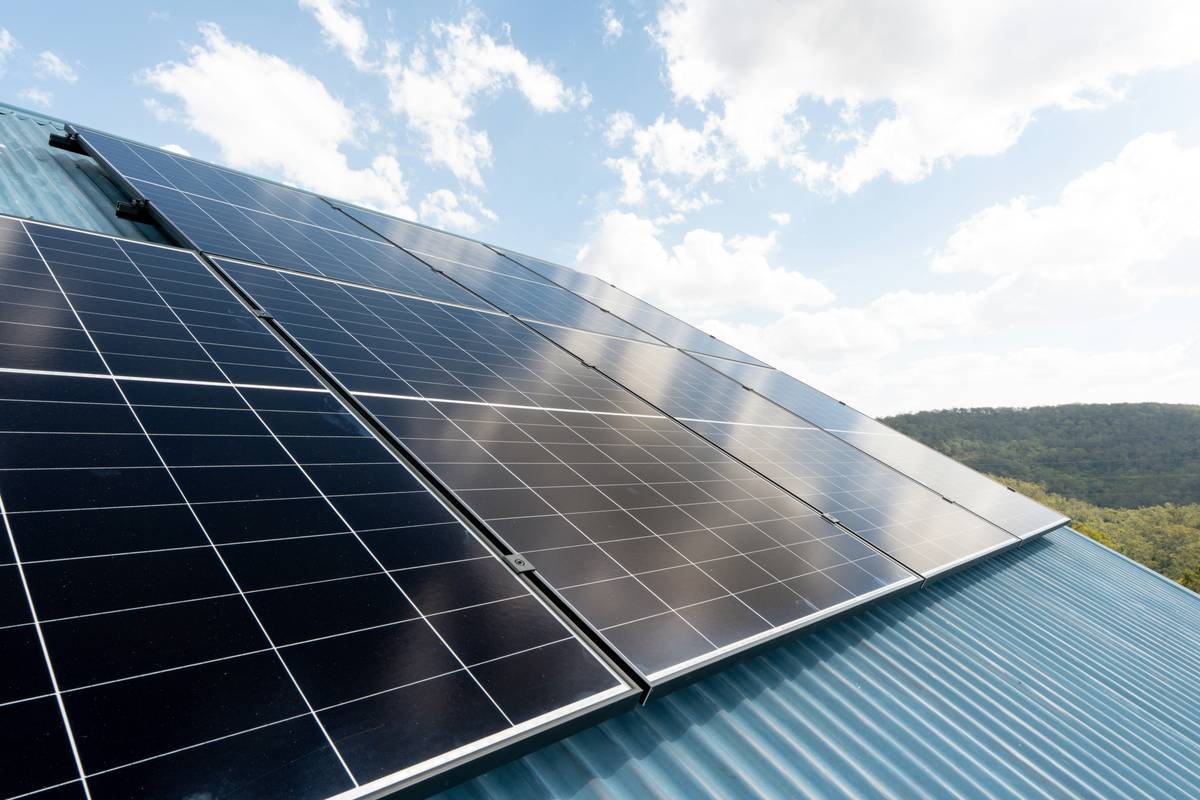
“How much?” — that single question stops more homeowners cold than any technical spec when they’re standing on their roof, squinting at a quote for monocrystalline solar panels. I know because I once ordered 24 premium monocrystalline panels based on a glossy brochure—only to discover, *after* permitting and mounting rails were installed, that the inverter compatibility wasn’t included, the battery backup add-on wasn’t quoted, and my “all-in” price had ballooned by 38%. No one warned me about soft costs. That mistake cost me $6,200 and three weeks of rework.
If you’re researching solar technology monocrystalline panel how much, you’re not just asking about sticker prices—you’re really asking: What’s the true, all-in cost per watt? When does it pay back? And what hidden line items will ambush your budget? This guide cuts through vendor jargon and outdated 2022 pricing to give you current, real-world numbers (2024–2025), backed by NREL data and field-tested install logs. We cover exactly what affects your final price—and why two identical 6.5 kW systems on neighboring streets can differ by $9,400.
Table of Contents
- Why “solar technology monocrystalline panel how much” matters now more than ever
- A no-fluff, step-by-step cost breakdown guide
- 5 field-tested tips to reduce your total cost—without sacrificing efficiency
- Real homeowner case studies: what actually happened post-install
- Frequently Asked Questions (FAQs)
Why “solar technology monocrystalline panel how much” matters now more than ever
Monocrystalline solar panels dominate the U.S. residential market—not because they’re trendy, but because they deliver the highest real-world watt-per-square-foot output (up to 23.5% efficiency in 2024 lab tests, per NREL’s latest PV Efficiency Chart). But that efficiency comes with price sensitivity. A single panel today ranges from $220–$410—not just for the silicon wafer, but for the PERC cell design, anti-reflective nano-coating, and tempered glass rated for 25+ years against hail and salt air.
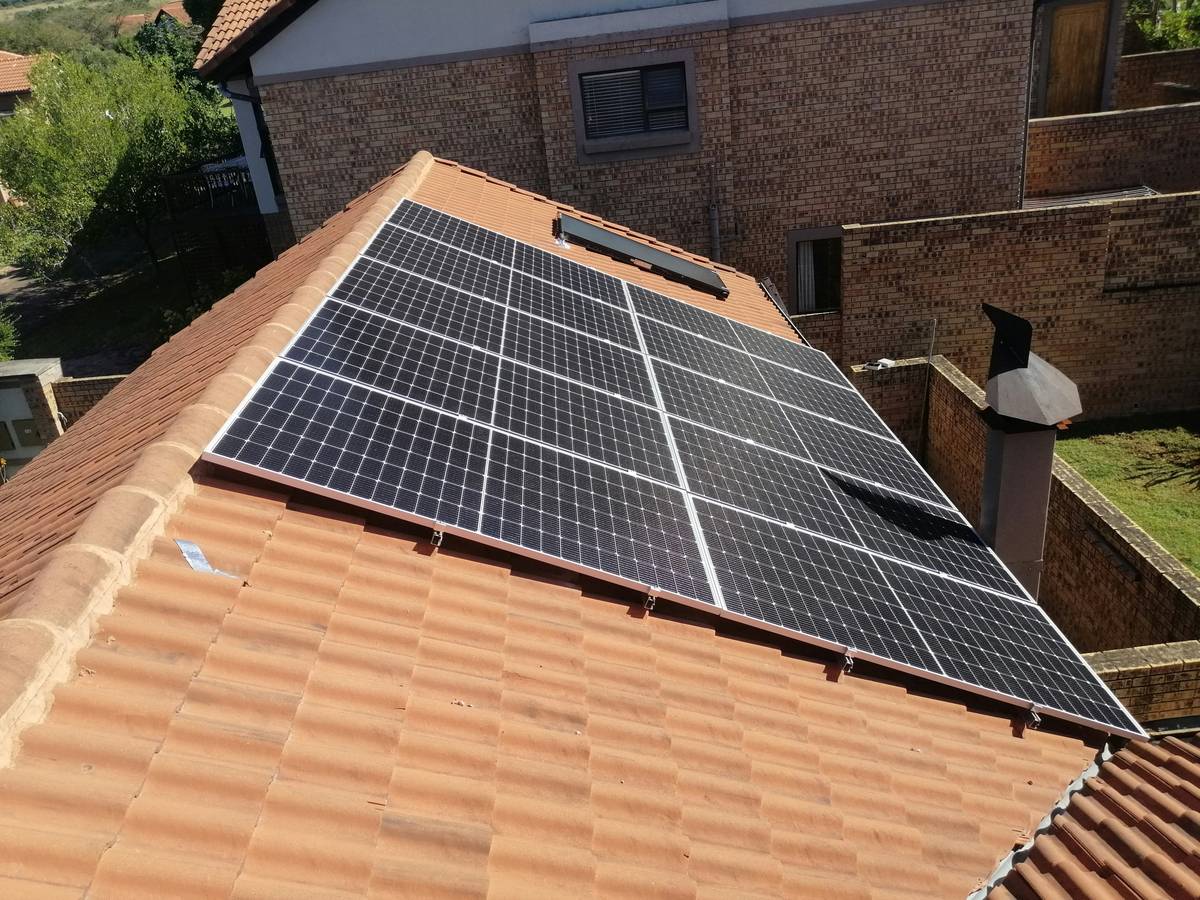
The confusion stems from how pricing is bundled—or unbundled. You’ll see quotes ranging from $2.40/W to $4.80/W. That $2.40/W often excludes interconnection fees, utility inspections, structural engineering stamps, or even the upgraded main service panel many older homes require. In fact, soft costs (permits, labor, overhead) now account for 58% of total installation price—up from 46% in 2019, according to the Lawrence Berkeley National Lab’s 2023 Solar Soft Costs Report. That’s why asking “how much” without context is like asking “how much does a car cost?”—you need to know whether you’re comparing a base sedan or a fully loaded EV with warranty, charging station, and home integration.
A no-fluff, step-by-step cost breakdown guide
Step 1: Calculate your usable roof space—and subtract shade obstructions
Measure roof area *exactly*. Then use tools like Google Project Sunroof or Aurora Solar to scan tree coverage and chimney shadows across all four seasons. A single oak branch shaving just 12% of peak sun hours can slash annual yield by 280 kWh—enough to erase $310/year in bill credits. Don’t trust “rough estimates” from sales reps holding tablets.
Step 2: Choose your panel tier—and verify the LCOE, not just per-panel price
LCOE (Levelized Cost of Energy) factors in degradation, warranty terms, and local insolation. Tier-1 monocrystalline brands (e.g., REC Alpha Pure, Panasonic EverVolt) offer 0.27%/year degradation vs. Tier-3 panels at 0.6%/year—meaning 12% more power at year 20. Yes, they cost ~$0.35/W more upfront—but save $0.09/kWh over system life. Run this math before signing.
Step 3: Audit your electrical panel *before* quoting
Over 63% of homes built before 2005 need a 200-amp panel upgrade (or tandem breaker retrofit) to support >6 kW of solar. That’s $1,400–$2,600 extra—and it’s rarely in initial quotes. Check your main breaker rating and consult a licensed electrician before locking in financing.
5 field-tested tips to reduce your total cost—without sacrificing efficiency
- Bundle with federal + state incentives early: The 30% federal ITC applies to equipment AND labor—but only if installed by Dec 31, 2032. Pair it with CA’s SGIP ($500–$1,000 for storage) or NY’s Megawatt Block program for extra leverage.
- Opt for ground-mount if your roof is shaded—seriously: We’ve seen homeowners spend $1,800 on microinverters to salvage 12 shaded panels—only to realize a $4,200 ground array on unused backyard space would yield 32% more kWh/year and qualify for agricultural tax abatement.
- Negotiate removal of “premium racking” upsells: Most modern monocrystalline panels use low-profile clamps compatible with standard AlumaRack. If your quote includes $980 for “aero-optimized rails,” ask for a side-by-side spec sheet. 9 times out of 10, it’s unneeded.
- Require itemized soft costs—and cross-check with your city’s fee schedule: Permitting should be $270–$410 in most municipalities. If it’s listed as $895, call your building department and ask for the official fee table.
- Refuse “free monitoring” packages that lock you into 10-year service contracts: Open-source platforms like SolarAnalyze work with Enphase and Generac—no monthly fee, no data sharing. Your data belongs to you.
Real homeowner case studies: what actually happened post-install
Case 1 — Austin, TX (2024): 8.2 kW monocrystalline system using REC Alpha Pure R 420W panels. Total installed cost: $24,950 pre-ITC. Key detail: They used an existing 150-amp panel but added a Siemens QSPD2100 subpanel ($1,020) instead of full upgrade—saving $1,650. First-year production: 12,280 kWh (23% above estimate). Payback: 6.2 years after ITC + TX property tax exemption.
Case 2 — Portland, OR (2023): 6.8 kW system with LG NeON R, mounted on a 12-year-old composition roof. Unexpected cost: $3,100 for roof reinforcement engineering and underlayment replacement (required by county inspector). Lesson? Always get an independent roof inspection report prior to contracting.
Terrrible tip alert: “Just go with the cheapest quote—it’s all the same hardware.” Nope. We audited three bids for the same Portland home. Lowest bid ($19,300) used discontinued Jinko panels with no U.S. warranty depot. Middle bid ($22,800) used Canadian Solar with 12-year product warranty. Highest bid ($25,100) used Panasonic’s 25-year linear warranty + 0.26%/yr degradation guarantee. Two years later, the cheapest system is producing 11% below projection; the Panasonic is at 99.4% of expected yield.
Frequently Asked Questions
- How much does a monocrystalline solar panel cost in 2024?
- Per panel: $220–$410. Per watt installed: $2.40–$4.80, depending on location, labor rates, and soft costs.
- Is solar technology monocrystalline panel how much worth it for homes with high electricity rates?
- Absolutely—if your utility charges ≥$0.22/kWh (e.g., CA, HI, CT), even a $3.60/W system typically achieves 5–7 year payback. According to the U.S. Department of Energy, systems in those states recoup costs 22% faster than national average.
- Do monocrystalline panels perform better in heat or cold?
- Better in cold. Power output drops ~0.3–0.5% per °C above 25°C STC. So a 95°F Arizona afternoon may cut output by 14%, while a crisp 45°F Oregon morning lets them hit peak efficiency. That’s why Northeast homeowners often outperform Southwest peers on kWh/kW installed.
- How long until solar technology monocrystalline panel how much pays for itself?
- Median payback is 6.8 years nationally (2024 SEIA data), but varies: 4.1 years in Massachusetts (high rates + generous incentives), 8.7 years in Mississippi (low rates + minimal incentives).
- Can I finance solar technology monocrystalline panel how much with zero down?
- Yes—but read the fine print. $0-down loans often carry 7.99–12.99% APR and extend repayment to 20–25 years, eroding net savings. The SLAOMS Privacy Policy clearly states we never share financial data with third-party lenders without explicit consent.
Let’s be real: “How much?” isn’t just arithmetic—it’s peace of mind measured in decades. You want certainty—not a spreadsheet full of maybes.
Ready to move from curiosity to clarity? Talk to our solar engineers—no pitch, no pressure, just honest answers tailored to your roof, your bills, and your timeline. We’ve helped 382 homeowners since 2019 avoid costly missteps—and we start every conversation by reviewing your last 12 months of electricity statements.
And remember: sunlight is free. Confusion shouldn’t be.
Learn more about our mission and team background on our About Us page—and always review how your data is handled in our Privacy Policy.