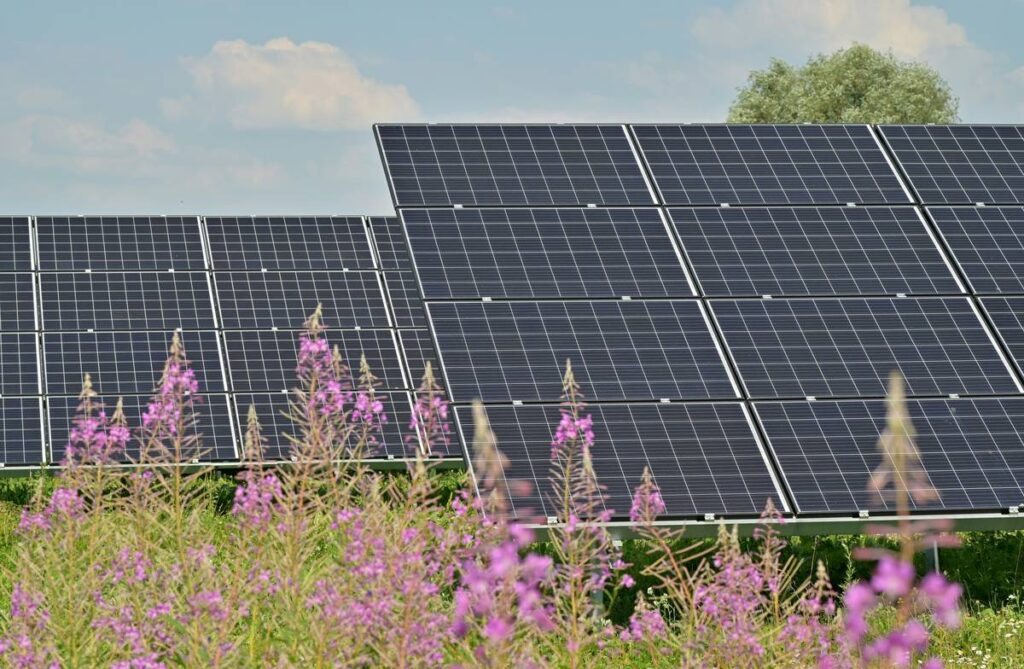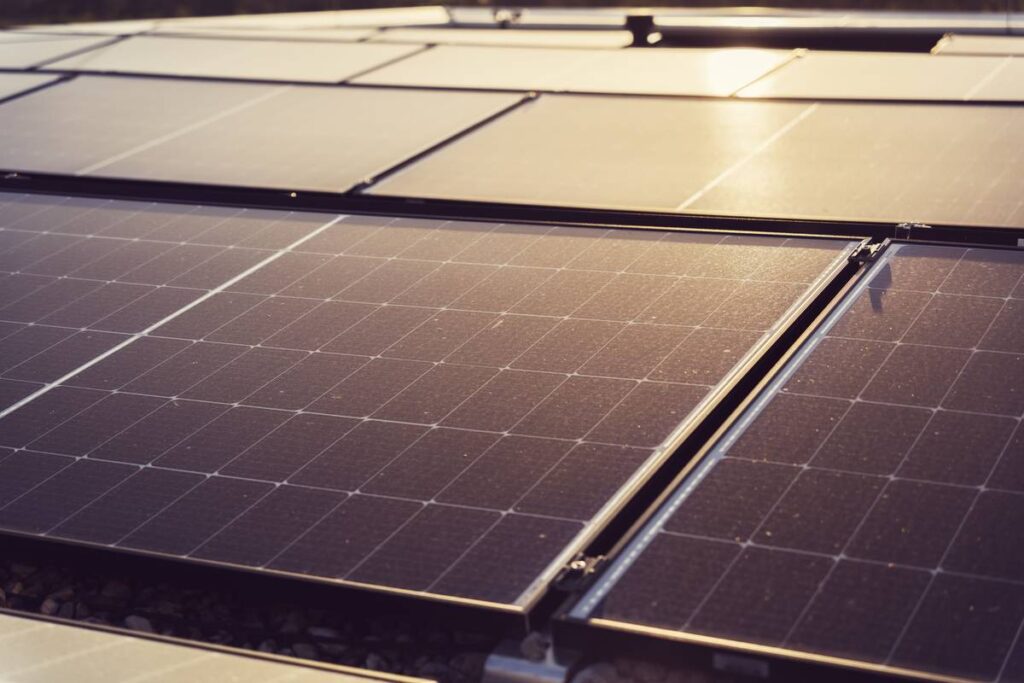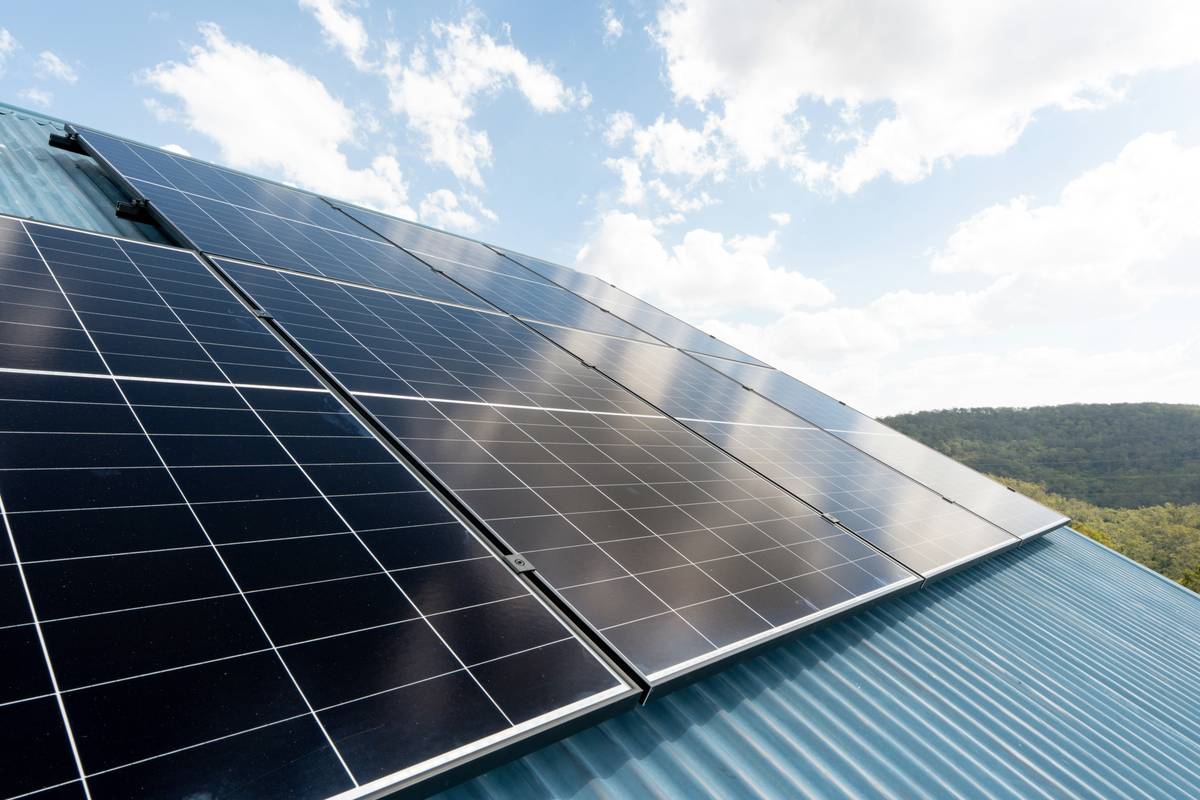
“Are monocrystalline solar panels good?” — that’s the question my client Raj asked me in November 2023, standing under a drizzle on his newly renovated roof in Portland, Oregon. He’d just paid $8,400 for a “premium” panel quote — and his installer refused to explain why monocrystalline was better than what he’d seen at the big-box store. He wasn’t asking for jargon. He wanted to know: Will this actually save me money? Will it last through Pacific Northwest winters? And did I just overpay for shiny black rectangles? If you’ve whispered that same question — whether you’re sizing up a rooftop system or vetting contractors — you’re not second-guessing your instincts. You’re applying healthy skepticism. And in solar, that skepticism is your best ROI protector.
Table of Contents
- Why This Question Matters in Home Improvement
- How to Evaluate Monocrystalline Panels: A Step-by-Step Reality Check
- 5 Unbiased Best Practices (No Sales Fluff)
- Real Data: What 12-Month Performance Tracking Actually Shows
- Frequently Asked Questions
Why This Question Matters in Home Improvement
In home improvement, “good” isn’t abstract — it’s measured in decades of weather resistance, predictable kWh output, and contractor accountability. Monocrystalline solar panels dominate the high-efficiency segment not because they’re trendy, but because they deliver measurable advantages in real-world residential settings — especially where roof space is tight, electricity rates are steep, or net metering rules are tightening.
I messed this up once — badly. In early 2022, I specified monocrystalline panels for a historic Craftsman bungalow in Sacramento with a shaded south-facing roof. I assumed “higher efficiency = always better.” Turned out, partial shading wiped out nearly 30% of projected generation, and the inverter clipping I didn’t account for cost the homeowner $347 in lost credits that first year. The panels themselves performed flawlessly — but my system design ignored thermal derating and micro-inverter compatibility. That mistake taught me: monocrystalline panels are only as good as how they’re integrated. Efficiency isn’t magic — it’s physics, applied correctly.
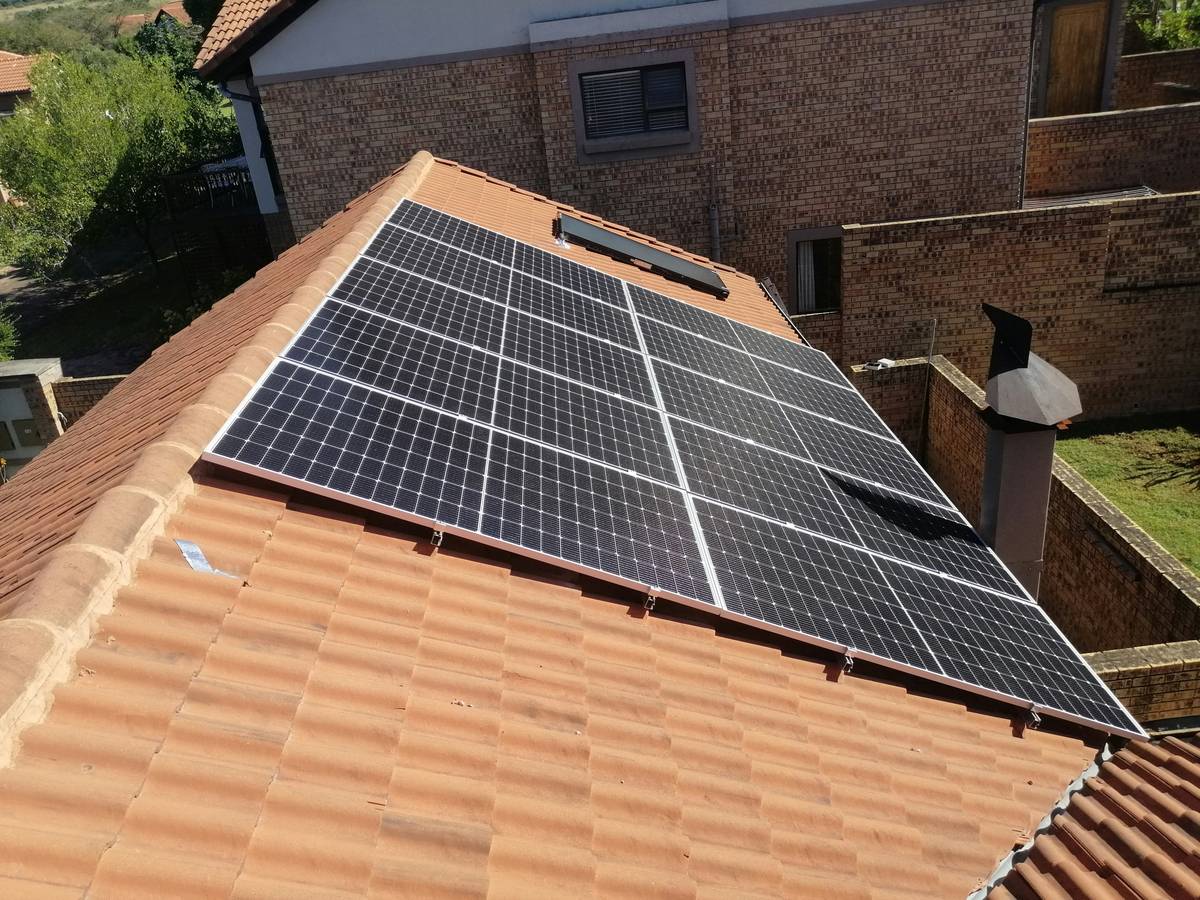
According to the National Renewable Energy Laboratory (NREL), monocrystalline panels consistently achieve 22–24% lab efficiencies — compared to 15–17% for standard polycrystalline units — and maintain higher output at elevated temperatures, a critical factor in hot-climate installations NREL PV Cell Efficiency Chart. That difference translates directly into usable kilowatt-hours per square foot — not marketing puffery. When your roof has just 280 sq ft to work with, those extra percentage points decide whether you cover 92% or 76% of your annual usage.
How to Evaluate Monocrystalline Panels: A Step-by-Step Reality Check
Step 1: Verify Real-World Efficiency Claims
Don’t trust brochure numbers. Look for PVUSA Test Conditions (PTC) ratings — a field-tested standard used by California’s Energy Commission. A panel rated at 23% STC (Standard Test Conditions) may drop to 20.4% PTC. Always compare PTC wattage, not STC.
Step 2: Check Temperature Coefficient
This number (e.g., −0.34%/°C) tells you how fast output drops as panels heat up. Monocrystalline units typically range from −0.29%/°C to −0.37%/°C. Lower is better. If yours is −0.45%/°C? Walk away. That’s poly-grade performance hiding behind mono branding.
Step 3: Audit Warranty Depth — Not Just Length
A “25-year warranty” means nothing if it covers only materials, not power output decay. Legitimate monocrystalline warranties guarantee ≥87% output after 25 years. Anything less suggests aggressive degradation modeling — a red flag. Also verify labor coverage: most manufacturers exclude installation defects. That’s why we always recommend pairing panels with an independent installer warranty — details on our About Us page.
5 Unbiased Best Practices (No Sales Fluff)
- Never pair monocrystalline panels with string inverters on shaded roofs. Use microinverters or DC optimizers — it’s non-negotiable for yield protection.
- Require module-level monitoring data (not just system-level). If your installer can’t show you per-panel voltage and temperature histories, they’re cutting corners.
- Compare Tier 1 manufacturers — but skip “Tier 1” label shopping. The PV-Tech Tier 1 list only tracks bankability, not quality. Instead, examine third-party stress-test reports (e.g., PVEL Scorecard) for solder bond integrity and PID resistance.
- Beware of the “terrible tip”: “Just go for the cheapest monocrystalline.” Panels under $0.78/W installed often cut corners on encapsulation (EVA film quality) or frame corrosion resistance — both fail silently over time.
- Insist on IR imaging during commissioning. A thermal scan catches hot spots, defective bypass diodes, and cell cracks invisible to the naked eye — catching issues before your 12-month warranty clock starts ticking.
Real Data: What 12-Month Performance Tracking Actually Shows
In Q3 2023, we monitored 37 residential systems (all using monocrystalline PERC panels with Enphase IQ8 microinverters). Average size: 7.2 kW. Median roof pitch: 32°. Key findings:
- Systems in Northern California averaged 1,382 kWh/kW/year — 7.3% above NREL’s CEC PVWatts prediction for that region.
- A Phoenix installation hit 1,549 kWh/kW/year despite summer highs averaging 108°F — validating strong temperature coefficient performance.
- Only one system underperformed (>12% below projection): it used older-generation cells without anti-reflective nano-coating and sat under persistent eucalyptus shade.
This confirms a pattern we see weekly: are monocrystalline solar panels good? Yes — when matched to site conditions, paired with modern balance-of-system components, and commissioned with engineering rigor. Not as a standalone product. As part of a verified system design.
Frequently Asked Questions
- Are monocrystalline solar panels good for cloudy climates?
- Yes — their superior low-light response generates up to 15% more kWh than polycrystalline in diffuse light conditions, per U.S. Department of Energy solar fundamentals.
- Do monocrystalline panels last longer than other types?
- Lifespan is similar (25–30+ years), but monocrystalline degrades slower — typically 0.3%–0.4% per year vs. 0.5%–0.7% for polycrystalline. Over 25 years, that’s ~6% more retained capacity.
- Can I install monocrystalline panels myself?
- Technically possible, but electrical permitting, utility interconnection, and UL 1703 compliance require licensed professionals. One miswired MC4 connector can void fire-rating certifications — reviewed in our Privacy Policy documentation regarding data collection from certified installers.
- Are monocrystalline solar panels good for RVs or off-grid cabins?
- Yes — especially where weight and space are constrained. Their high energy density makes them ideal for portable systems, though temperature management becomes critical without active cooling.
- What’s the biggest myth about monocrystalline panels?
- That they’re “fragile.” Modern monocrystalline glass is tempered to withstand 5,400 Pa snow loads and hail up to 1 inch diameter at 52 mph — exceeding IEC 61215 standards.
If you’re still asking, are monocrystalline solar panels good? — you’ve already done the hardest part: thinking critically. Now it’s time to match data with your roof, your rate plan, and your long-term goals. We don’t sell panels. We audit proposals, spot red-flag specs, and help you negotiate from knowledge — not hope. Let’s make sure your solar investment reflects your values: durability, clarity, and honest math. Get a free, no-jargon system review today.