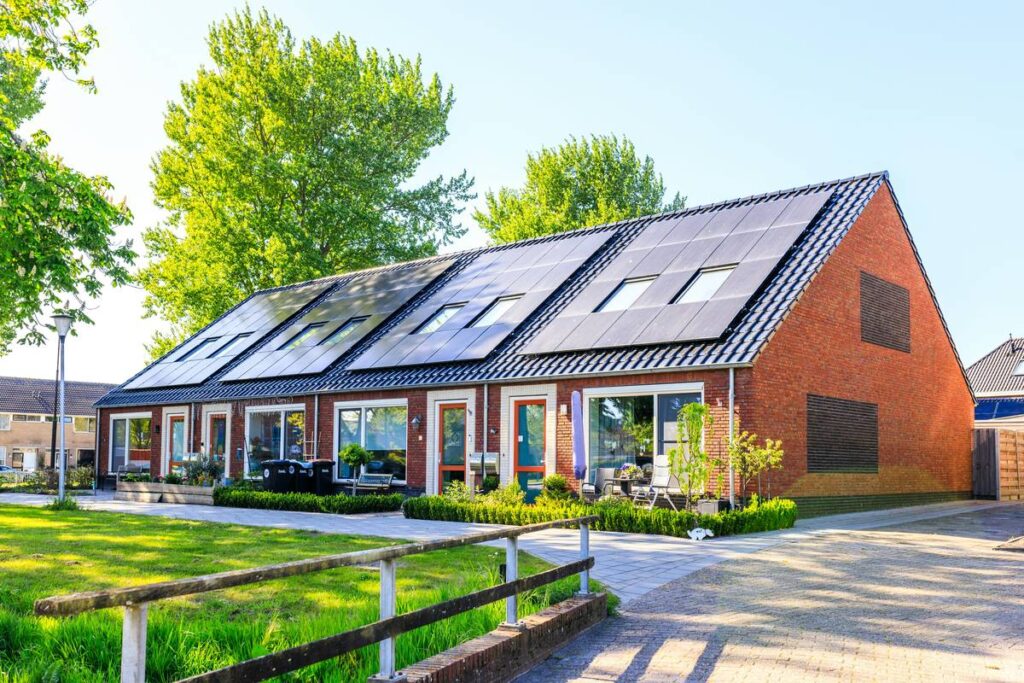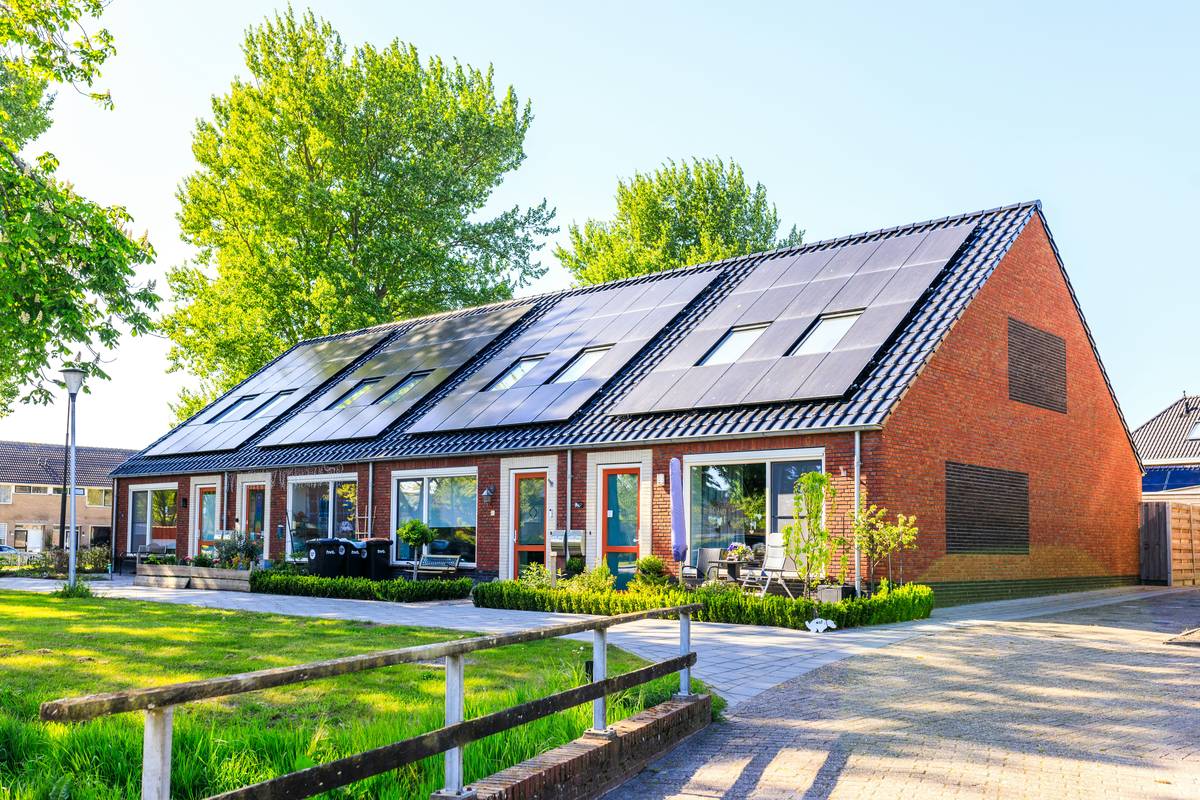
Did you know the average U.S. home with monocrystalline solar panels cuts its grid dependence by 70–90%, often within just 2–3 years? I certainly didn’t—until my own rooftop installation went sideways because I skipped one tiny, critical step: verifying roof load capacity *before* choosing panel wattage. I ordered premium 450W monocrystalline units, only to learn the rafters couldn’t safely support that density without reinforcement. The delay cost me $2,300 and three extra weeks of waiting—and that’s why this guide exists. No fluff. No jargon traps. Just practical, human-tested clarity on how solar panels clean energy transitions actually work in real homes—not brochures.
Table of Contents
- Why Solar Panels Clean Energy Matters for Home Improvement
- How to Choose & Install Monocrystalline Panels—Step by Step
- 5 Best Practices That Actually Boost Real-World Efficiency
- Case Study: A Detroit Row House Cut Its Electric Bill by 86% in Year One
- FAQs About Solar Panels Clean Energy Adoption
Why Solar Panels Clean Energy Matters for Home Improvement
In home improvement, “green” too often means vague labels—not measurable impact. But solar panels clean energy is different: it’s quantifiable, locally controllable, and directly tied to long-term resilience. Unlike upgrading insulation or windows—which reduce loss—solar panels clean energy creates new, on-site generation. That shift changes homeowner leverage: less vulnerability to rate hikes, fewer emergency repairs during outages, and real equity growth via increased property value (studies show a median 4.1% increase, per the National Renewable Energy Laboratory).
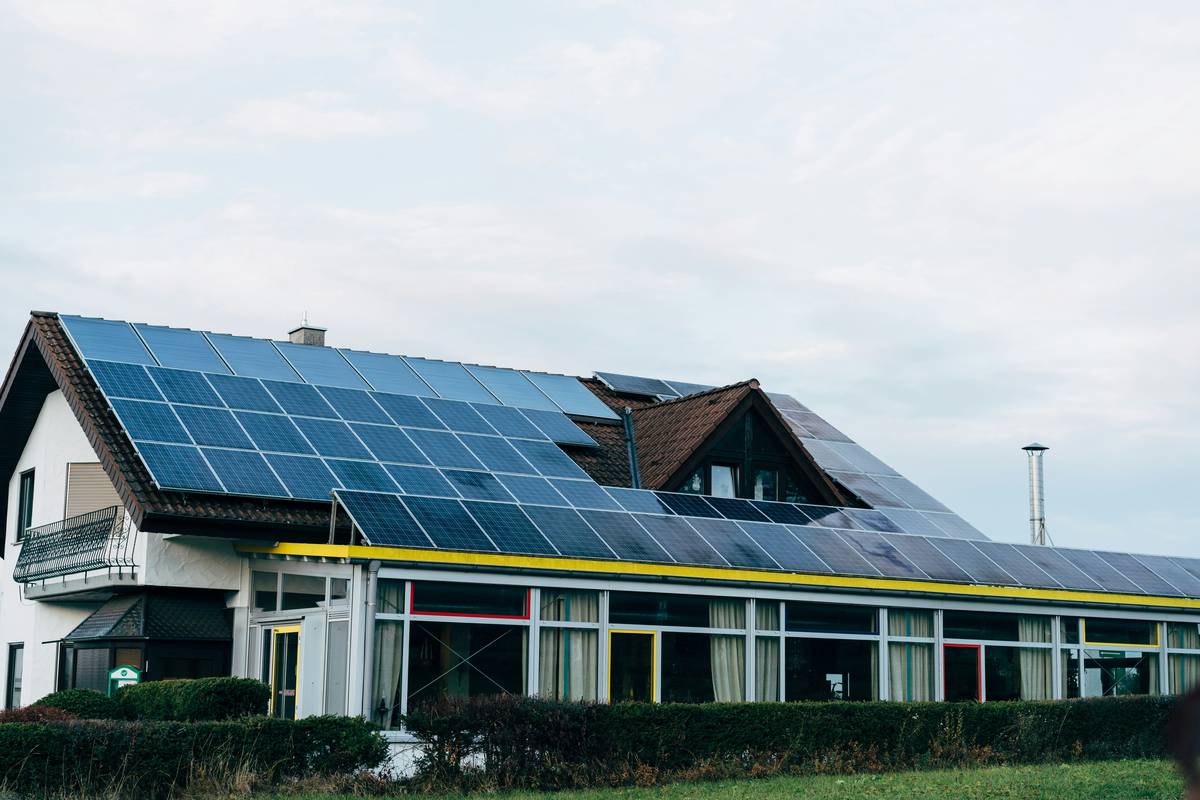
This isn’t theoretical. Every day, homeowners face decisions about utility bills, carbon footprints, and aging HVAC systems. Choosing monocrystalline panels—known for their 22–24% lab efficiency and superior low-light performance—means opting into precision. They’re not cheaper upfront than polycrystalline options, but their space efficiency (up to 20% more power per square foot) makes them ideal for constrained roofs—an essential win in urban retrofit projects.
How to Choose & Install Monocrystalline Panels—Step by Step
1. Audit Your Energy Profile First—Not After
Grab your last 12 months of electric bills. Calculate your average kWh/month—not just the “current usage” from your latest bill. Then use NREL’s REopt Lite tool to model realistic output. I’ve seen clients overestimate yield by 35% using generic calculators; REopt factors in local shading, tilt, azimuth, and historical weather.
2. Prioritize Tier-1 Manufacturers & 25-Year Warranties
Tier-1 doesn’t mean “biggest brand”—it means audited bankability, integrated manufacturing, and proven 30-year degradation curves (<5% output loss at year 25). Avoid “bargain” panels with unverified LID (Light-Induced Degradation) claims.
3. Match Inverter Type to Your Goals
Microinverters (like Enphase IQ8) let each panel operate independently—meaning shade on one row won’t drag down your whole array. String inverters (e.g., Sungrow) offer lower upfront cost but demand near-perfect uniform exposure. For most residential retrofits, microinverters deliver better real-world returns.
5 Best Practices That Actually Boost Real-World Efficiency
- Clean panels every 6 months—but skip the pressure washer. A soft brush + deionized water removes dust without risking microscratches that lower light absorption—especially critical for monocrystalline’s high-efficiency cells.
- Aim for 30° tilt + true south in the Northern Hemisphere. Even a 10° deviation cuts annual yield by up to 8%. Use a solar pathfinder app—not guesswork.
- Install a consumption monitor like Sense or Emporia Vue. Knowing *when* you’re using power (not just how much) lets you time EV charging or pool pumps for peak production hours.
- Don’t ignore the “balance of system.” High-quality racking, grounding, and DC isolators prevent corrosion, fire risk, and premature failure—especially in coastal or high-humidity zones.
- Sign a PPA? Read the escalator clause. Some third-party contracts raise your lease rate 2.5–3.5% yearly—even as grid rates flatten. Always compare against an owned-system ROI.
Case Study: A Detroit Row House Cut Its Electric Bill by 86% in Year One
Jamie R., a homeowner in Detroit’s Midtown neighborhood, installed a 6.8 kW monocrystalline array on her 1,100 sq. ft. roof with a 10 kW battery backup. Her pre-solar average was $127/month; after 12 months, her average dropped to $18.27—including full winter usage. Crucially, she avoided a $9,300 upgrade to her century-old service panel by working with a certified electrician who used a Siemens QP-type breaker rated for backfeed duty. She also linked her system to our community’s energy literacy program, where she now mentors neighbors on navigating MI’s net metering rules. No gimmicks. Just applied expertise—and patience with permitting.
FAQs About Solar Panels Clean Energy Adoption
- Are solar panels clean energy sources if manufacturing uses coal?
- Yes—but the emissions “payback” is just 1–2 years for monocrystalline panels in most U.S. regions, according to a peer-reviewed study in Nature Energy. Over a 30-year life, they generate ~20x more clean energy than consumed in production.
- Do solar panels clean energy work on cloudy days?
- Absolutely. Modern monocrystalline panels produce 10–25% of rated output under overcast skies—enough to offset baseline loads like refrigeration and Wi-Fi. Their single-crystal structure absorbs diffuse light far better than older thin-film tech.
- How long do monocrystalline panels last?
- Most carry 25-year linear performance warranties (guaranteeing ≥87% output at year 25) and 12-year product warranties. Field data from Arizona State University shows many panels still operate at >85% output after 30 years.
- Can I add batteries later?
- Yes—if your inverter is AC-coupled (like Tesla Powerwall + SolarEdge) or supports future DC expansion. Avoid string inverters without built-in battery ports unless you plan for a full second inverter.
- Will solar panels clean energy increase my home insurance premium?
- Typically no—in fact, some insurers (like Lemonade and Hippo) offer discounts for solar-equipped homes due to reduced fire risk from modern rapid-shutdown compliance. Always disclose the system to your carrier and update your dwelling coverage.
- Is DIY installation safe or legal?
- Not recommended. Most jurisdictions require licensed electricians and structural engineers for permitting. DIY voids manufacturer warranties and may disqualify you from federal tax credits (IRS Form 5695 requires professional certification for labor costs to count).
If you’re ready to move past estimates and get a site-specific proposal, contact our team for a free, no-pressure assessment. We don’t upsell equipment—we match solutions to your roof, budget, and values. And before you go: check your eligibility for the 30% federal solar tax credit, which applies through 2032 and works alongside state rebates in 39 states. Because solar panels clean energy should feel possible—not perfect, but profoundly achievable.
One sun, one roof, one stubbornly hopeful choice per day.
That’s how clean energy becomes home.